Image
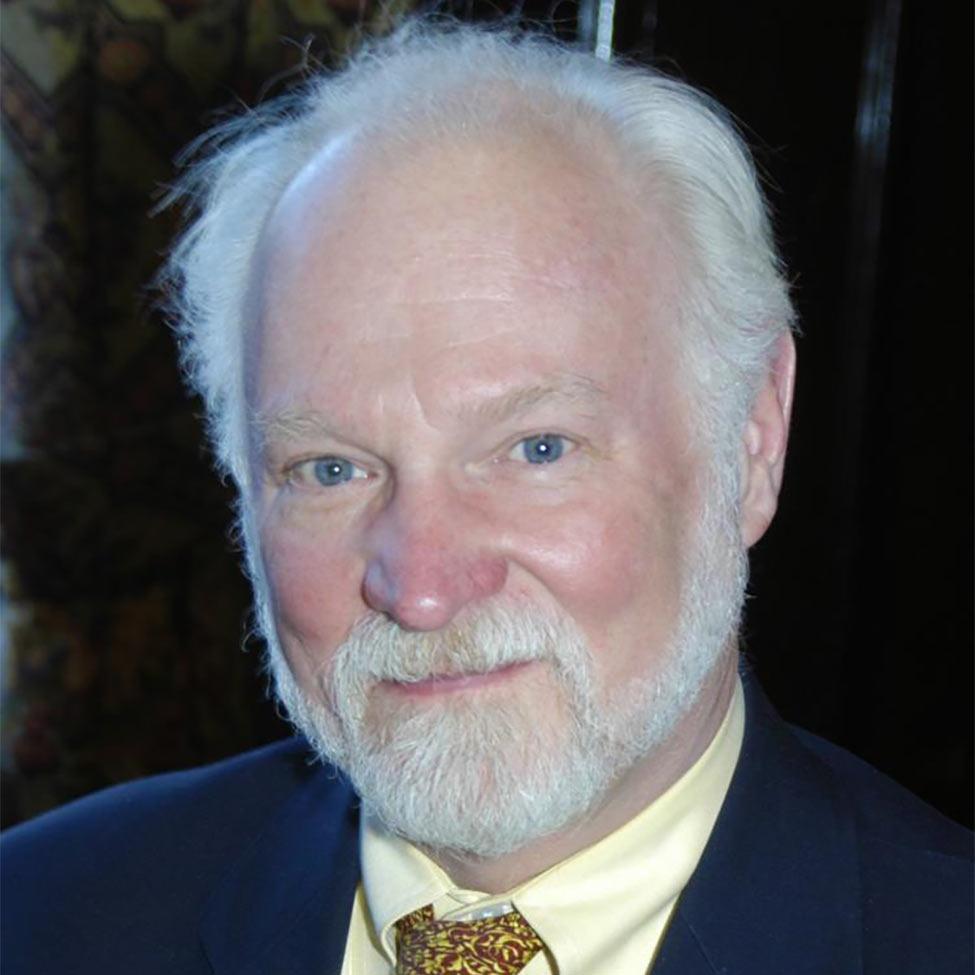
Emeritus Professor Jeffrey G. Miller was honored with the 2021 American Bar Association Section on Environment Energy & Resources (SEER) Lifetime Achievement Award at a virtual event on November 18. SEER recognizes individuals, entities, and organizations that have made significant accomplishments or demonstrated recognized leadership in the environment, energy, and natural resources legal area.
Fellow colleagues and former students joined the event in support of Professor Miller’s more than 50 years of service in the field of Environmental Law, fondly remembering his groundbreaking contributions, his high standards in education, and his sense of humor.
Alum Sean Dixon ’09, Soundkeeper & Executive Director at Puget Soundkeeper Alliance, spoke about Professor Miller’s profound impact in his profession, citing his “wisdom and creativity” in shaping the environmental lawyers of the future and calling him a “mentor and a generous human being.”
“Jeff Miller’s career as a teacher, advocate, and leader in environmental law was exceptional,” said Horace E. Anderson Jr., Dean of the Elisabeth Haub School of Law. “He was a pillar of the Haub Law faculty and a mentor to me; I can think of few people more deserving of such an honor.”
Professor Miller began his legal career in the late 1960s as an associate in a Boston law firm, practicing business and finance law. In the early 1970s he joined the new Environmental Protection Agency (EPA) in its Boston regional office as an enforcement official, later moving to EPA's headquarters in Washington, DC, to head its water pollution permitting and enforcement program, to begin its hazardous waste enforcement program, and ultimately to head its national enforcement program. After a decade at EPA, he became a partner in a Washington, DC, law firm, practicing environmental law and representing corporate, non-profit, and governmental clients.
In 1987, Professor Miller joined the Pace Law School faculty, teaching torts, constitutional law, criminal law/legal writing, and over a dozen environmental law courses. He served as the distinguished James D. Hopkins Chair in Law during the 1999–2001 academic years. He retired from teaching in 2013, and continued to work on the Law School’s National Environmental Law Moot Court Competition, now named in his honor. Professor Miller has lectured, taught, and consulted on environmental law throughout the country and in half a dozen foreign countries.

As the Pace Women’s Justice Center marks 35 years of advocacy, Executive Director Cindy Kanusher, JD, examines the legal obstacles facing survivors, the shortcomings of the justice system, and what it takes to help thousands of people find a path forward.

Professor Emily Gold Waldman has been awarded the 2026 Goettel Prize for Faculty Scholarship.

Haub Law launches the Environmental Law Fifty Fund to support innovative research, scholarship, and collaboration among junior environmental law scholars.